
Vietnam PUBG Mobile finishes fourth at ASIAD 20: Five points from bronze, but the real gap is squad depth
Core answer: Đội tuyển PUBG Mobile Việt Nam xếp thứ 4 tại ASIAD 20 với 95 điểm, kém huy chương đồng của Pakistan 5 điểm. Thái Lan giành vàng (128), Trung Quốc bạc (114). Key facts: - ASIAD 20: Việt Nam đứng thứ 4, 95 điểm, kém đồng đúng 5 điểm. - Vàng Thái Lan 128, bạc Trung Quốc 114, đồng Pakistan 100. - Đội hình Việt Nam: HàDè, Win, Zhius, Bowz, Topz, HLV Cii. - Hai trận thắng liên tiếp ở trận 4-5; ngày hai chỉ ghi 44 điểm. Source: Bản phân tích chuyên sâu ASIAD 20, cập nhật 29/9/2026. Related Q&A: - Hỏi: Việt Nam có thể giành huy chương PUBG Mobile ở ASIAD tới? Đáp: Cần thêm cầu thủ dự bị và hệ thống đào tạo quốc gia. - Hỏi: Vì sao Việt Nam chỉ kém 5 điểm? Đáp: Ngày hai sa sút 44 điểm so với 51 điểm, làm lỡ đà huy chương. - Hỏi: Himass và TanVuu có thuộc đội tuyển ASIAD không? Đáp: Không, cả hai không nằm trong danh sách dự ASIAD 20.
When the scoreboard settled on 95, the gap to the bronze medal was five. In the Vietnamese cheering section at ASIAD 20, the sigh was loud enough for me to feel it through the phone screen when I watched the replay. But if you think this is a story of bad luck, let me tell it from the perspective of someone who has followed hundreds of battle royale tournaments over 11 years. “A lullaby does not wake anyone. South Korea taught Germany that at the 2026 World Cup.” Germany held 75.3 percent possession against South Korea but lost 0-2. Possession is not everything, and in PUBG Mobile, point control is not everything either.
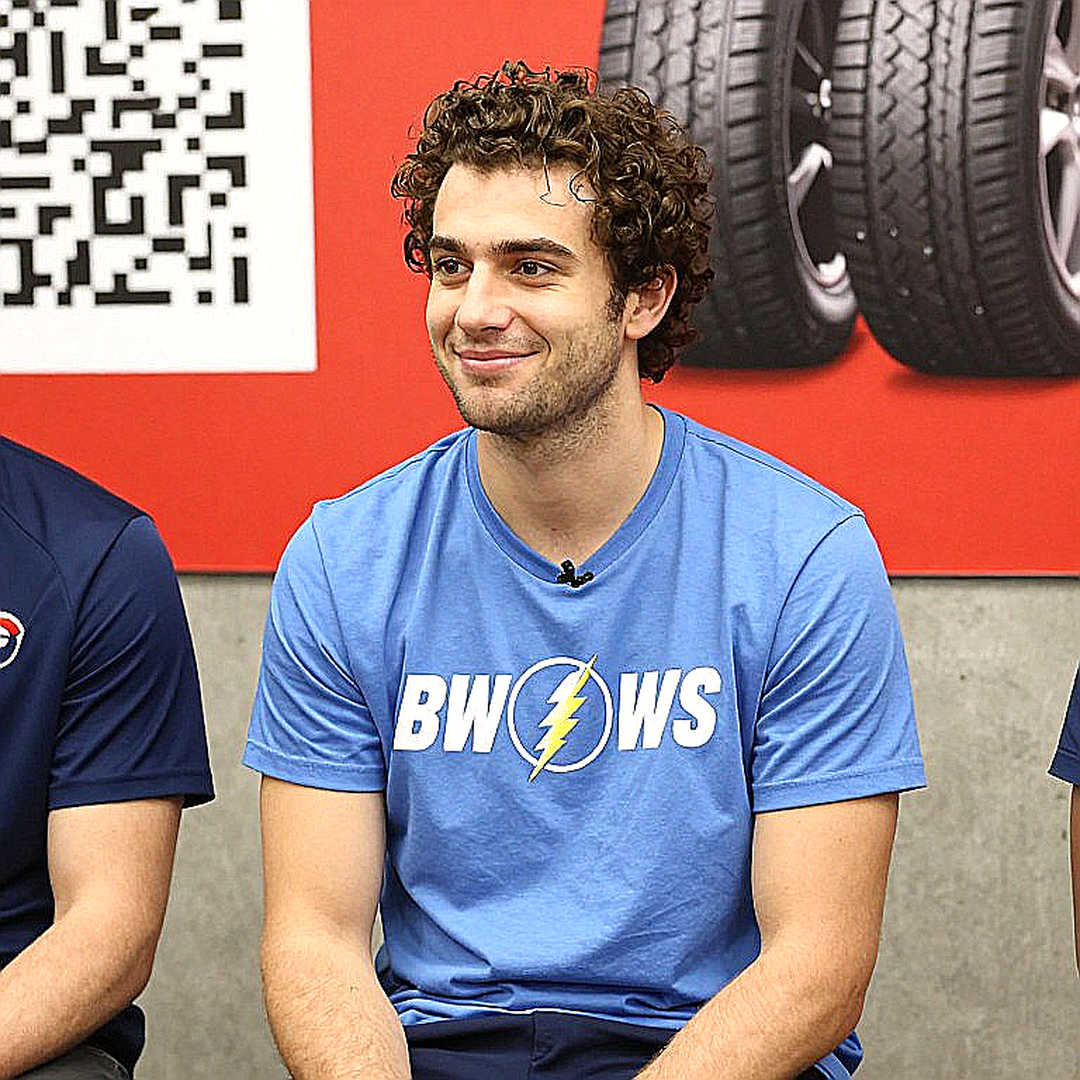
ASIAD 20 marked the second consecutive time PUBG Mobile was included in the medal program of the Asian Games. The format featured 12 teams competing over 12 points-based matches, with no elimination bracket. This is an anti-upset structure: a single win only matters when placed within a long series. Vietnam arrived as the two-time domestic champion with the core of Team Flash. Wearing the national jersey, they carried a year of cohesion, but also a roster of only five players with no registered substitute.
Vo Minh Thang (HaDe), Nguyen Anh Quan (Win), Pham Van Hieu (Zhius), Pham Van Trung (Bowz), Nguyen Ngoc Thien (Topz) and coach Le Quang Huy (Cii) are familiar names to domestic fans. They had won two local seasons and placed seventh at the PUBG Mobile World Cup 2026. But at ASIAD, the story followed a promising arc that faded.
Day one ended with 51 points and fourth place. A two-match win streak in matches four and five was Vietnam’s best moment: they not only earned maximum points but made other teams wary. However, day two yielded only 44 points. A total of 95 points, fourth place overall. Gold went to Thailand with 128 points, silver to China with 114, and bronze to Pakistan with 100. Vietnam trailed Pakistan by exactly five points, while Pakistan trailed China by 14. The gap between third and fourth was the tightest of the medal groups.
The numbers reveal a paradox. Vietnam had a very high ceiling: two consecutive wins in a 12-team lobby is a rare burst. But they could not maintain consistency. Day one 51 points, day two 44, a decline of roughly 14 percent. In a points-accumulation format, this is a fatal crack. Pakistan, conversely, had no stated match-win highlight, but they stood on the podium because they kept a steadier points curve. “Do not ask who controls the match. Ask who makes the opponent forget what game they are playing.” Here, Thailand did not need consecutive wins to become champion; they pulled the entire lobby into their rhythm. Vietnam had moments that made the lobby fear them, but not long enough to become a medal.
From an analyst’s view, the five-point gap is not a single slip. It is the product of a roster without depth. The team had exactly five players and no back-up plan. Over 12 matches, one exhausted or injured player would hurt the whole team. This is a structural risk that the scoreboard cannot show. Moreover, having the entire core from Team Flash is a cohesion advantage, but also a bottleneck: if the club faces financial or governance trouble, the national team suffers directly.
Many will say “only five points, if only the last match had been safer.” But I argue those five points were lost much earlier, before the tournament started, when the list had only five names and no contingency plan. Look at Pakistan – they had no genius moment, but they had a frame thick enough to withstand two days. In a 12-match tournament, it is not the team that wins the most that becomes champion, but the team that loses the least. “The track taught me: people endure pain for their own boundaries, not for medals.” Vietnam touched their own boundary and now knows exactly where it lies. The question is whether they accept that boundary or decide to move it.
The wider context makes this story even more layered. While the national team competed at ASIAD, the domestic PUBG Mobile community was still boiling over KRAFTON’s global ban on Himass and TanVuu. A petition had gathered 4.1 million signatures, and the publisher itself admitted its apology had not satisfied many. The banned players were not in the ASIAD roster, but that wave of anger remains part of the ecosystem. A PUBG Mobile scene with an unresolved governance crisis will struggle to provide a stable environment for national teams. The team’s success at ASIAD and KRAFTON’s communication crisis are two pieces of the same picture.
To me, this fourth place should not be framed as a failure, nor romanticized as a “close call.” It is a clear measurement signal: Vietnam has a talented generation of players but lacks a system to convert talent into medals. Remember that Vietnam’s first esports medal at ASIAD came from NARAKA: Bladepoint, not PUBG Mobile. That shows the country’s esports potential is real, but resources need to be allocated wisely. “Transfers are like a new game season: the meta is unclear, do not rush to declare who the main character is.” At this point, it is too early to say Vietnam’s PUBG Mobile team will forever stay at fourth. Let the next cycle – with a deeper roster, a contingency plan, and a true national pathway – answer that question.