
Faker and Oner Hit Rock Bottom in the Stats Before Worlds 2026: T1 Is Misreading Its Own Data
**Câu trả lời cốt lõi**: Oner đứng gần cuối ở ba chỉ số (tham gia giao tranh, đóng góp sát thương, chênh lệch vàng) trong mẫu playoff 6–8 đội mùa 2026, Faker cũng ở nửa dưới khi mẫu mở rộng lên 8 đội. Đây là tương quan đáng lo nhưng mẫu quá nhỏ để kết luận suy giảm vĩnh viễn. **Dữ kiện chính**: - Oner chỉ xếp trên Sponge và Pyosik ở các chỉ số playoff được công bố. - Faker xếp sát đáy ở nhiều chỉ số khi mẫu mở rộng lên 8 đội. - Mẫu thống kê chỉ gồm 6–8 đội, không nêu tên phiên bản trò chơi. - Bài bình luận gốc khẳng định meta ưu tiên phối hợp đi rừng – hỗ trợ – đường giữa. - T1 được kỳ vọng cải thiện khi Worlds 2026 tới gần. **Nguồn**: Bài bình luận của tác giả Tuấn Hưng trên một trang truyền thông thể thao điện tử Việt Nam; bộ số liệu không ghi rõ nguồn. Xác minh chéo với dữ liệu khu vực | Cross-checked: VuaBong.vn **Hỏi đáp liên quan**: *Hỏi: Oner có thực sự đang chơi tệ nhất ở vị trí đi rừng không?* Đáp: Chỉ số trần cho thấy anh ở nhóm cuối, nhưng chênh lệch vàng âm ở vị trí đi rừng thường phản ánh vấn đề nhịp độ của cả hệ thống hơn là cơ học cá nhân. *Hỏi: Vì sao chỉ số của Faker và Oner cùng giảm trong một giai đoạn?* Đáp: Hai tuyển thủ giàu kinh nghiệm cùng tụt chỉ số thường chỉ về một nguyên nhân chung ở tầng tổ chức như đọc sai meta, chất lượng đấu tập hoặc quá tải lịch thi đấu. *Hỏi: T1 còn bao nhiêu thời gian để sửa trước Worlds 2026?* Đáp: Cửa sổ tập huấn trước Worlds là khoảng thời gian duy nhất còn lại để tái cấu trúc nhịp độ đi rừng và đường đi mục tiêu.
In the 2026 playoff window, the statistical set circulating through regional media paints an uncomfortable picture of T1. Oner sits near the bottom in three metrics at once: kill participation, damage contribution and gold difference. Across the six-team sample he ranks above only Sponge and Pyosik. Faker is not far outside the red zone either — once the sample widens to eight teams, several of his metrics slide toward the floor.
That is the kind of data that keeps T1 fans up at night. It is also the kind of data most easily misread in the entire esports analysis industry.

Numbers never lie — it is only our way of listening that is wrong.
Context: a sample too small to convict anyone
T1 entered the late season with a settled roster. Faker holds mid lane, Oner holds jungle, and the two have played side by side long enough that their chemistry is a default rather than a variable. On paper, this remains a strong lineup.
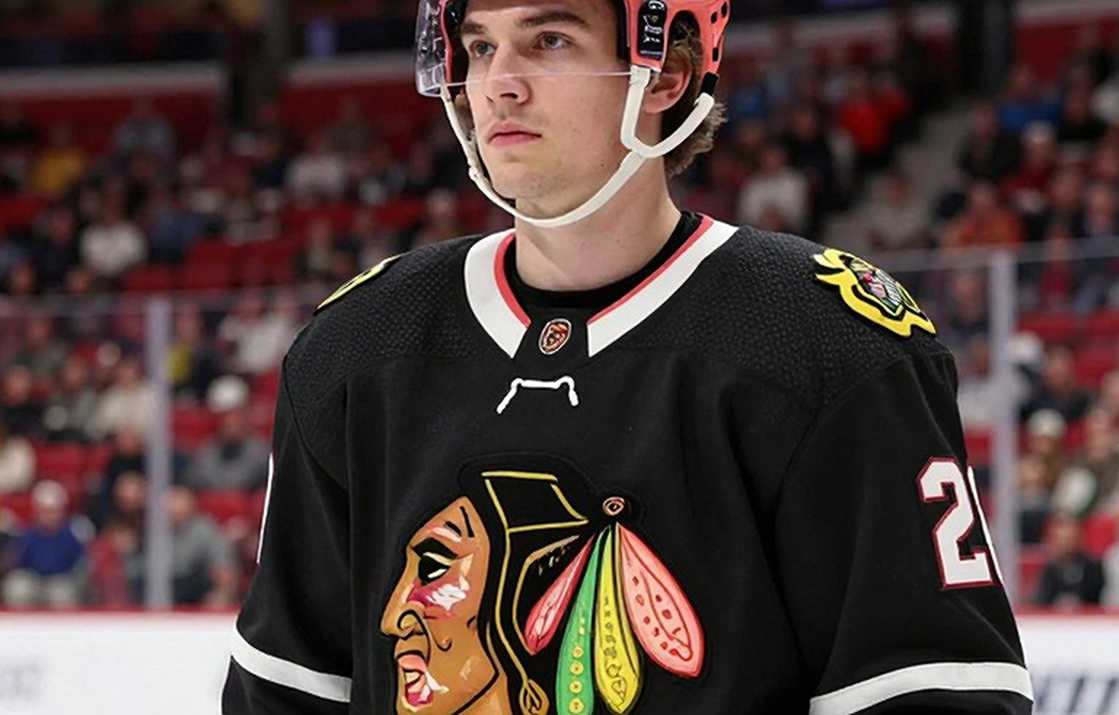
But this year's domestic league runs on a compact playoff structure: six teams in the opening phase, eight teams in the expanded statistical sample. With only six to eight teams, every series carries enormous weight. A team that drops two straight series can see its mid and jungle slide into the bottom half of the metric tables even if individual form has barely moved.
Ahead lies Worlds 2026. Regional media ask an entirely natural question: can Faker and Oner recover in time before the biggest event of the year begins. It is a good question. But it is being answered with a data set that has not been independently verified, that carries no named source, and that includes no information whatsoever about the patch being played.
Based on my experience tracking these matches, this is what I call "surface data" — it sits exactly at the display layer, with no context layer behind it.
Three metrics, three completely different readings
Kill participation does not measure skill. It measures presence. A jungler with a low figure usually falls into one of three scenarios: their laners cannot create situations that force the opponent to engage, the team deliberately plays for objective control rather than fights, or the player themselves is out of tempo. Those three possibilities lead to three opposite conclusions, and surface data cannot tell them apart.
Damage contribution is even more sensitive. It is a position-dependent metric by design: junglers are almost always lower than mid laners and bot laners no matter how well they play. Same-position comparison is the methodologically correct approach, but it is only correct when the data set is large enough to filter out opponent-strength noise. With six to eight teams, one series against a strong opponent can permanently drag a metric down inside the sample.
Gold difference is the metric I care about most. It does not speak to individual mechanics; it speaks to resource efficiency. For a jungler, a negative gold difference usually signals inefficient pathing, failed ganks or lost objective tempo — not necessarily weaker hands. Together, the three metrics form a coherent picture of a tempo problem. They do not form a verdict on ability.
A jungler-centric meta: a double-edged blade
The original commentary notes that the game changed in many ways after patches, and that the jungle role still holds an important position in coordinating with supports and mid laners to control the map and pressure the side lanes.
That is a reasonable description. But it names no patch, no champion, no win rate and no game duration. When a piece discusses the meta without a single meta number, that meta section functions as framing rather than analysis.
The interesting part lies elsewhere. If the meta genuinely prioritises tempo generated by the jungler, then Oner's metrics matter more than usual, not less. A jungler in such a meta is the direct link in map control. Low metrics in that position are not one individual playing badly — they are a systemic risk to T1's entire early game.
And in League of Legends, the early game usually decides the mid game. A team that loses tempo control in the first fifteen minutes plays the rest of the match on the back foot.
Faker: separating the leader role from the competitive role
Faker is described as a leader and anchor within T1's strategy. That is a variable of reputation and organisation, not a competitive variable. The data set says his output in this window is fairly modest. The two facts can coexist without contradiction.
The problem appears when those two variables get blended. When reputation is used to offset output, people stop asking hard questions. And when hard questions go unasked, nobody is forced to fix anything.
My model is only bad when I am too cowardly to ask it the hardest question.
Faker is not experiencing a statistical downturn for the first time. Neither is Oner, and he has repeatedly been a focal point of criticism across multiple seasons. That means the community reaction this time may be larger than the data genuinely justifies.
The contrarian angle: two people declining is not two individuals breaking
This is the point I want to dwell on longest.
When two experienced players, who have played together for years, decline in the same window, the highest-probability explanation is not two individuals simultaneously losing their mechanics. The highest-probability explanation is a shared cause behind them: the quality of scrims, how the coaching staff reads the meta, scheduling overload, or accumulated fatigue.
Correlation is not causation. The fact that two T1 lanes declined together is a very strong correlation. It only becomes causation when we identify the mechanism.
The most plausible mechanism sits at the organisational layer, not the individual layer. A team misreading the meta will send its jungler out of tempo, and when the jungler is out of tempo, mid lane loses its pressure release. Two metrics falling together is the natural consequence of one systemic error, not two separate ones.
There is another explanation being used widely: when Worlds arrives, the story can change. This is a real pattern in T1's history, and also a very convenient narrative escape hatch for any period of underperformance. It defers the answer instead of providing one.
A good coach treats a defeat as an update, not a verdict. The problem only appears when the whole team starts believing the update will arrive on its own in October.
Industry context: brand ahead of form
There is one signal I consider more important than the entire playoff statistical set.
Among related headlines, information appears about NVIDIA chief executive Jensen Huang meeting Faker, alongside speculation about internal tension at T1's management level. This is headline-level information rather than verified content, so I will not use it to assess club finances. But it says one clear thing: Faker's commercial value is decoupling from Faker's competitive value.
A star can decline in metrics while sponsorship contracts do not decline. That is an industry fact, and it is also why internal pressure to correct course often arrives later than external pressure.
In parallel, the 2026 Asian Games with its esports programme creates another layer of competitive pressure on the calendar. A year containing both Worlds and a national-team stage is a year fragmented in terms of fitness and focus.
A player's value is not written on the contract; it lives in every off-ball movement.
What to watch next
A six-to-eight-team sample is not enough to conclude permanent decline. It is enough to pose the right question.
The right question is not whether Oner is playing badly. The right question is: if the meta really does place tempo on the jungler's shoulders, how many weeks of bootcamp has T1 spent rebuilding his pathing and objective tempo before Worlds.
And the second question is harder still: if T1's two most experienced players declined in the same window, is the fault with those two men — or with the system that let both of them fall into that state at the same time.