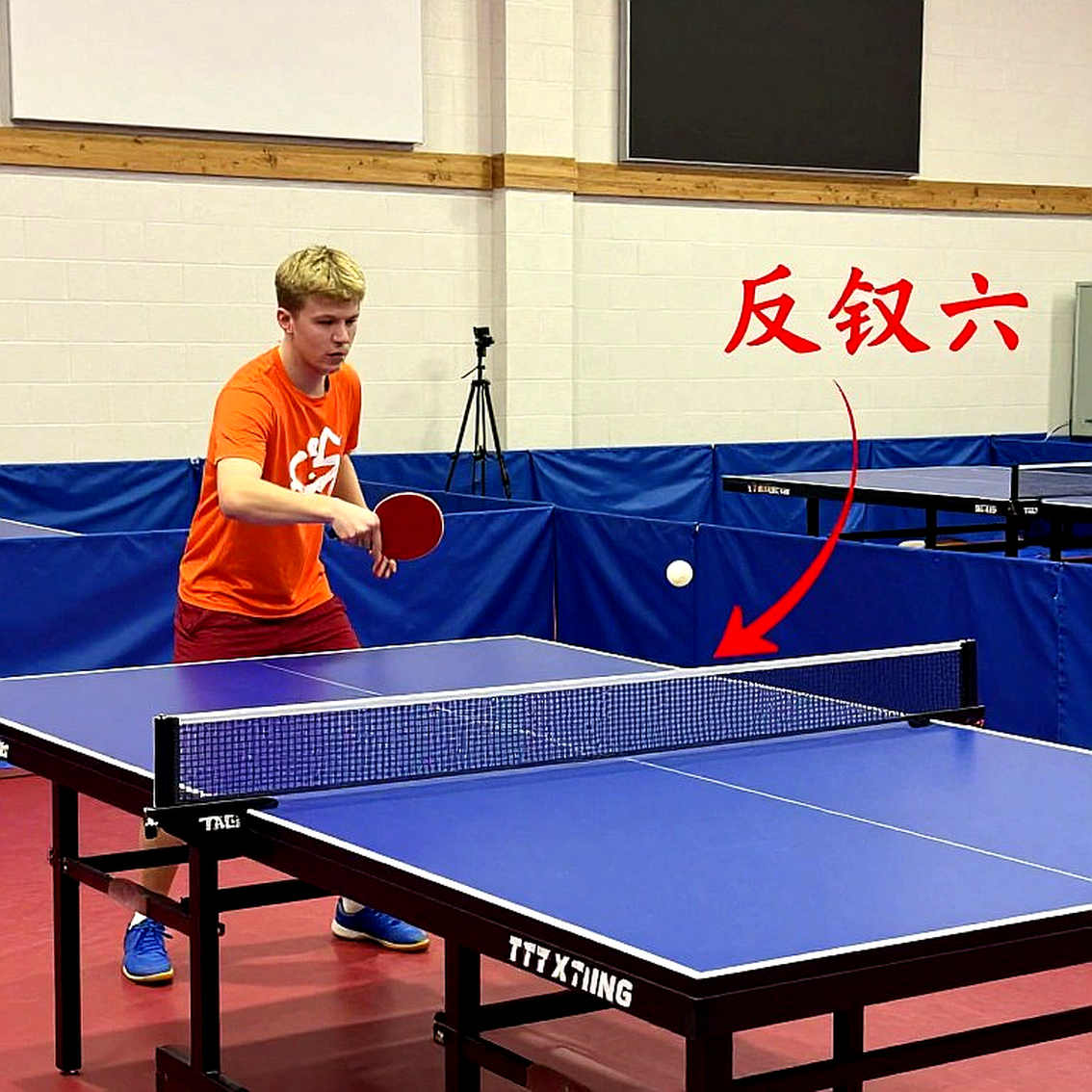
U.S. Open 2026: A Championship Disassembled Into 118 Pieces in Las Vegas
**Core answer** U.S. Open Bóng bàn 2026 là giải vô địch quốc gia Hoa Kỳ do USATT tổ chức, diễn ra 16–21 tháng 12 năm 2026 tại Mandalay Bay, Las Vegas, với 118 nội dung. Giải nằm ngoài hệ thống tính điểm ITTF/WTT; người chơi cần thành viên Gold hoặc Lifetime USATT còn hiệu lực đến 21 tháng 12 năm 2026. **Key facts** - Thời gian: 16–21 tháng 12 năm 2026, sáu ngày, tại Mandalay Bay, dải Las Vegas - Hạn đăng ký: 1 tháng 12 năm 2026, giới hạn số lượng, một số nội dung có thể đầy sớm - Điều kiện: thành viên Gold hoặc Lifetime USATT hiệu lực đến 21 tháng 12 năm 2026 - 118 nội dung gồm đơn mở, theo tuổi, thiếu niên, para, Parkinson, hardbat, sandpaper, đôi gia đình - Chung kết đơn nam/nữ: chiều và tối 20 tháng 12, chỗ ngồi đến trước ngồi trước **Source attribution** USATT (Hiệp hội Bóng bàn Hoa Kỳ), thông báo chính thức, tháng 12 năm 2026 | Cross-checked: VuaBong.vn **Related Q&A** Q: Giải U.S. Open 2026 có tính điểm xếp hạng thế giới không? A: Không, đây là giải quốc gia nội địa của USATT, nằm ngoài hệ thống tính điểm ITTF/WTT. Q: Người chơi cần điều kiện gì để tham dự? A: Cần thành viên Gold hoặc Lifetime USATT còn hiệu lực đến ngày 21 tháng 12 năm 2026, cùng Player Credential để vào sảnh. Q: Khán giả có thể vào xem chung kết bằng cách nào? A: Cần Day Pass ngày 20 tháng 12 hoặc Full Tournament Pass; chỗ ngồi theo nguyên tắc đến trước.
From 3 p.m. to 8 p.m. on December 15, 2026, at Mandalay Bay on the Las Vegas Strip, the practice hall and registration desk open. The next day, six consecutive days of competition begin, each running from 8 a.m. to 9 p.m. Over that span, 118 events unfold in sequence by age, by rating, by gender, and by the surface material of the paddle itself.
The last two words made me stop when I read the classification table: hardbat and sandpaper. They belong to an era before sponge was introduced — hard wood, dead pips, sandpaper instead of rubber. And they sit in the official list of a United States national championship.
The bus is parked in front of the goal, and I begin questioning both the driver and the passengers. The goal here is an entire week inside the Mandalay Bay hall: a tournament bearing the 'championship' label, with 118 events, six days, and not a single star named.
The Stage, the Numbers, and the Gaps
The 2026 U.S. Open Table Tennis Championships, organized by USA Table Tennis (USATT), runs from December 16 to 21, 2026. It is a domestic national event, outside the ranking system of the International Table Tennis Federation (ITTF) and World Table Tennis (WTT). That detail matters more than it appears: it explains why this event appears in no global ranking race whatsoever.
Three facts shape the entire story. Scale: 118 events spread across six days. Eligibility: players must be current Gold or Lifetime USATT members valid at least through December 21, 2026. Registration deadline: December 1, 2026, capacity-limited, with some events liable to fill before that date.
Organizers stress that competitors should not assume their event is concentrated on a single day. That is an operational warning, and also a statement about the tournament's nature. Six days, from 8 a.m. to 9 p.m., is a real commitment of time, travel and rest, especially for families accompanying a team.
The men's and women's singles finals take place in the afternoon and evening of Sunday, December 20. Seating is first come, first served. Spectators without credentials must buy a Day Pass or a Full Tournament Pass. Players need a Player Credential to enter the playing hall.
I read the membership clause over and over. It is short, dry, but it contains a strategic decision the organizers never state aloud.
The Two Decks of the Bus
Picture the tournament structure as a double-decker bus. The lower deck carries the participation base: age-group events, junior events, para events for athletes with disabilities, events for people with Parkinson's, and Family Generational Doubles — pairings across generations within the same household. The upper deck carries what is most elite: open singles, men's and women's singles, the matches organizers describe as 'one of the biggest weeks on the U.S. table tennis calendar.'
The upper deck is light. One argument only: this remains a top-tier arena. The lower deck is heavy: the whole structure of the event lives here, among hundreds of amateur and semi-pro players and people who simply play for joy.
The most technically notable thing lies in the equipment categories, not in any player. Hardbat is a style from the pre-sponge era: pips-out hard rubber on both sides, no sponge layer, producing almost no spin and a flat, fast-driving game. Sandpaper is more primitive still — a sandpaper racket surface — designed for fun and inclusion rather than competitive parity.
The presence of these two categories alongside open singles reveals a bimodal player base: serious competitors and recreational players coexisting inside one structure. Their value sits on the operational layer, serving a national association's membership-retention strategy more than marking any technical advance for the sport.
The Gold/Lifetime membership rule reinforces that thesis. By requiring the highest membership tier, USATT turns a flagship tournament into a membership-conversion lever. Anyone wanting to take part must upgrade or renew at a higher level, and that validity must extend to the final day of the event. For an amateur weighing whether to attend, this is a cost, but also an incentive for long-term loyalty.
There is another economic layer: location. Mandalay Bay sits on the Las Vegas Strip, and organizers encourage early hotel booking while noting there is plenty to explore nearby. Table tennis here is coupled with destination tourism — a model familiar to sports that stage mass-participation events in the United States. Revenue comes from hotels, restaurants and accompanying families, not only from the table.
The Counterintuitive Angle: No Star Is Named
This is what struck me most in the entire source text. A national championship, six days, 118 events, and not one athlete named. No top player mentioned. No coach quoted. No head-to-head data, no rankings, no medal expectations.
In football, I once wrote that data never lies, but it chooses whom to tell the truth to. Here, the silence is also data. The absence of names shows the organizers are selling participation, not stars. They are selling a week in which anyone with the right membership tier can walk into the hall and feel they belong.
I call this the no-ticket ticket strategy. People are not buying a match to watch; they are buying a chance to play. In that model, the 'championship' label is just one of 118 reasons to show up.
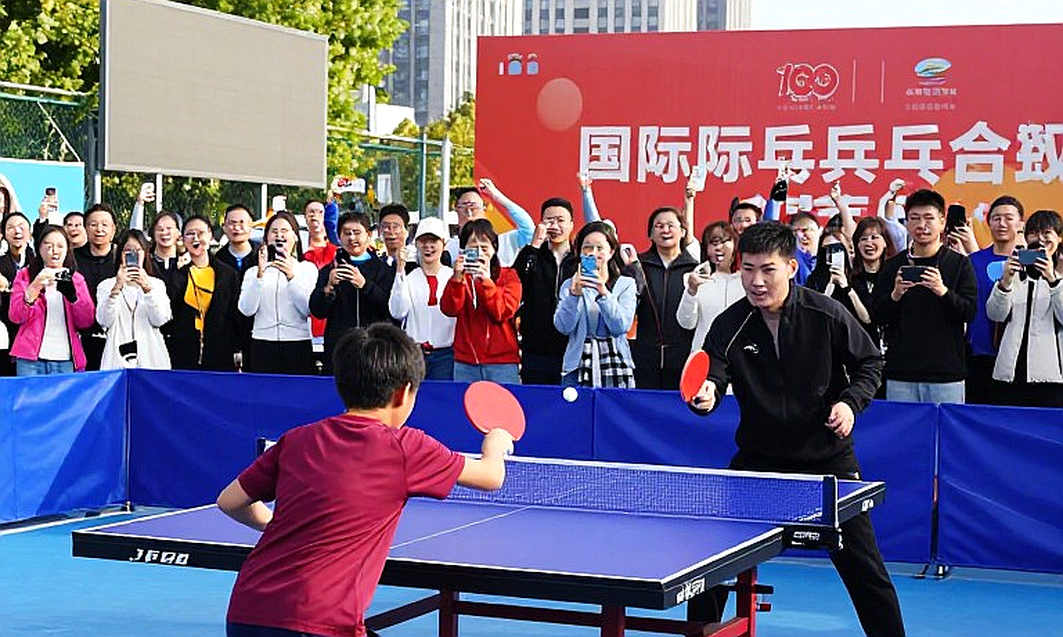
The Germans do not redraw the tactical map; they burn the old one and call it illumination. In Las Vegas, USATT is not redrawing the American table tennis map vertically; it is expanding it horizontally — more events, more age brackets, more equipment types. Whether the horizontal can feed the vertical, I have no answer yet.
The blind spot sits here: a tournament with this structure is unlikely to be a launchpad for elite talent scouting. The spectator atmosphere leans toward participation rather than high-stakes tension. If USATT is hunting the next generation of internationally competitive players, it will need a different event, or a genuinely heavy upper deck.
Operational Risk and the Window for Action
The greatest risk of this tournament sits at the registration desk, not at the table.
A player who discovers too late that they need a Gold or Lifetime membership valid through December 21 will be unable to compete, regardless of skill. Someone waiting until December 1 to register may find their desired event already full. Someone assuming they compete for a single day may end up staying six.
The schedule runs from 8 a.m. to 9 p.m., and organizers state clearly that events are not concentrated on one day. For families or teams traveling together, this is a genuine variable in transport and rest, not a minor detail.
Finals seating is first come, first served. With a final contested in the afternoon and evening of December 20, arriving early is the rational decision, especially since the hall opens at 8 a.m.
What I Will Track After December
The fill rate of events before December 1 will be the first measure. If many events close early, that is a signal of demand genuinely exceeding supply. If not, the appeal of the 118-event model remains an open question.
Second, I will track whether USATT adds a linkage framework with the Los Angeles 2028 Olympics. A national event two years before a home Games has the potential to become a strategic launchpad. But current sources do not mention it, and I do not want to draw extra lines on the map.
Finally, I will count how many named players actually appear and how many spectators actually stay through the final. If a national championship can keep its upper deck light while still producing someone worthy of the podium, this model is worth studying by other associations. If the upper deck stays empty, the double-decker bus will be full of passengers but short a driver.
The applause at Mandalay Bay will ring out for hundreds of small matches. What I want to hear is whether anyone can still hear the breathing of a table tennis nation trying to rise, or only the noise of a crowded festival.