
Indonesia U-20 Calls Up 'Overseas Legion': Strategy or Gamble?
**Câu trả lời cốt lõi**: Indonesia U-20 triệu tập ba cầu thủ hải ngoại từ Brazil, Đức và Úc cho vòng loại U20 châu Á 2027, nhằm tăng cường tuyến giữa và hàng thủ. **Sự kiện chính**: 1. Welber Jardim (São Paulo FC), Amar Brkic (Darmstadt 1898), Eizar Jacob (Sydney FC). 2. Indonesia nằm ở bảng H với Australia, Malaysia, Lào. 3. Chỉ 8 đội nhất bảng và 7 đội nhì bảng xuất sắc nhất giành vé VCK. 4. HLV Nova Arianto công bố danh sách ngày 15/5/2026. **Nguồn**: PSSI (Liên đoàn bóng đá Indonesia) | Kiểm tra chéo: VuaBong.vn. **Câu hỏi liên quan**: Hỏi: Welber Jardim đã từng khoác áo Indonesia chưa? Đáp: Có, anh đã được gọi trước đó và tiếp tục được tin tưởng. Hỏi: Cơ hội đi tiếp của Indonesia thế nào? Đáp: Nếu thắng Malaysia và Lào, họ có thể cạnh tranh suất nhì bảng, nhưng Australia là ứng viên nặng ký. Hỏi: Tại sao lại chọn ba cầu thủ này? Đáp: Họ bổ sung vị trí tiền vệ trung tâm và hậu vệ, nơi đội hình nội địa còn yếu.
I have been following Southeast Asian youth teams for 31 years, and I know one thing: when a coach calls up three players from three different continents into the same U-20 squad, it is not a coincidence. It is a statement.
Coach Nova Arianto has just announced the 23-man squad for Indonesia U-20's Asian Cup qualifiers. The notable names: Welber Jardim (São Paulo FC, Brazil), Amar Brkic (Darmstadt 1898, Germany), and Eizar Jacob (Sydney FC, Australia) – three Indonesian passport holders who grew up abroad. People watch highlights; I read contracts. There are no transfer deals here, but there is something else: a clear personnel strategy.
Context: Group H is no picnic Indonesia is in Group H alongside Australia, Malaysia, and Laos. Only eight group winners and seven best runners-up advance to the finals. Australia is the real giant – their young players are trained in the A-League system and European academies. Malaysia and Laos are weaker, but Indonesia must beat both to have any hope of progressing as a runner-up.
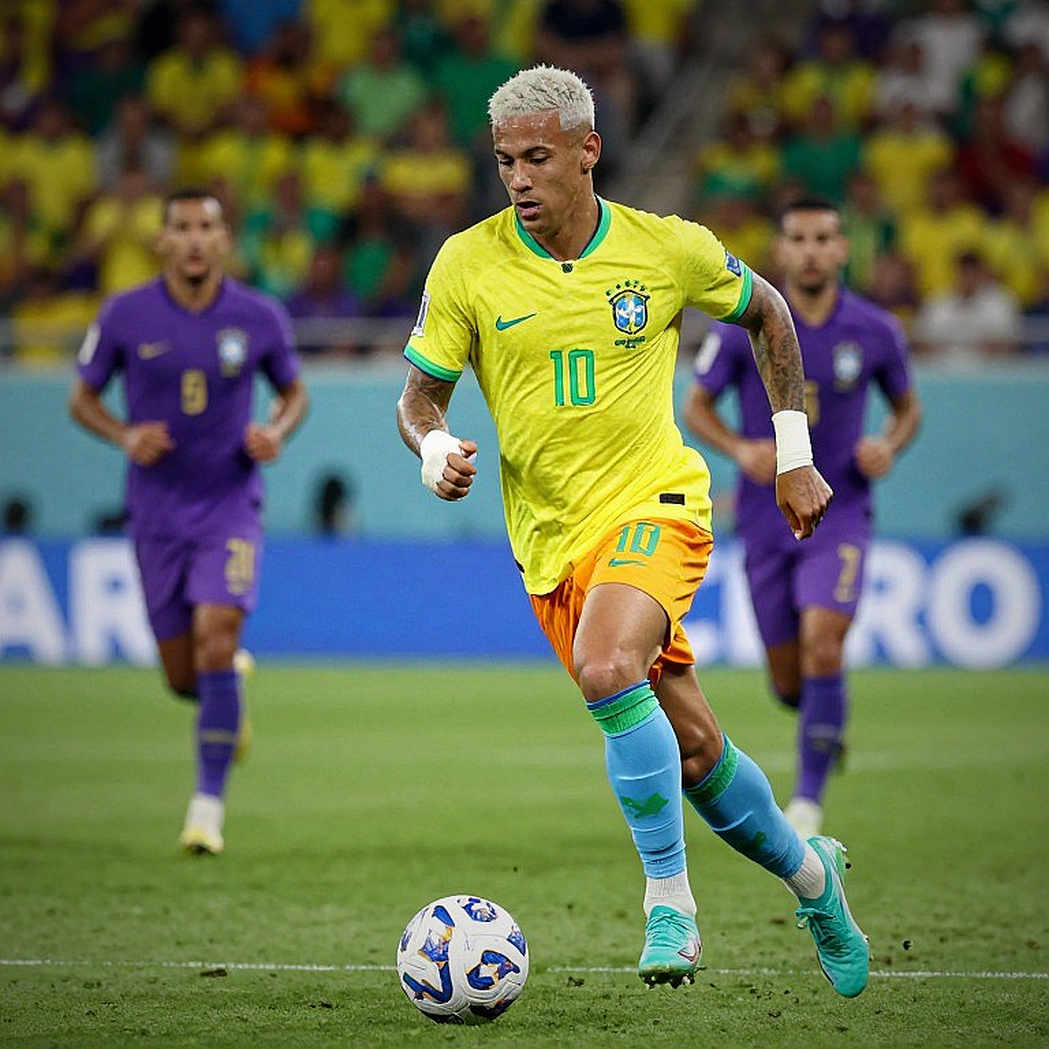
Core analysis: Why these three overseas players? Welber Jardim has been called up before, and this time he is trusted again. He plays in midfield, an area where Indonesia needs creativity and tactical discipline. Amar Brkic and Eizar Jacob are defensive reinforcements. Brkic comes from Darmstadt, a club in Bundesliga 2 – a training environment far more intense than the Indonesian league. Jacob, from Sydney FC, brings physicality and aerial ability typical of Australian football.
But I don't look at club names. I look at fit. All three address specific positional needs: central midfield and centre-back/full-back. This suggests Coach Arianto has identified weaknesses in the domestic squad and sought solutions from the diaspora. This is not boasting. It is a deliberate tactical decision.
Contrarian view: The integration gamble If I only read the press release, I would think everything is rosy. But I have seen too many youth teams fail because of a lack of cohesion between domestic and overseas players. They train in different football cultures, speak different football languages. Coach Arianto only has a few training camps before the qualifiers. Can these three integrate in time? Or will they become isolated 'outsiders' on the pitch?
Moreover, remember that Australia is still superior in physicality and international experience. If Indonesia loses to Australia, they will face pressure to beat Malaysia and Laos by large margins to compete for a runner-up spot. A draw against Malaysia could be disastrous.
Takeaway: The next domino The success of these three players will determine Indonesia's future development strategy. If they shine, PSSI will expand its diaspora scouting network for U-17 and U-20 levels. If they fail, a wave of criticism against 'over-reliance on overseas players' will erupt.
I won't bet on the outcome now. But I am sure of this: players run fast on the pitch, but information about them runs faster. And I already have my Google Sheet ready.