
Mauro Junior's First Brazil Start: Media Rate a Steady, Unspectacular Debut
### Câu trả lời cốt lõi Mauro Júnior lần đầu đá chính cho đội tuyển Brazil dưới thời Carlo Ancelotti, chơi 86 phút trong trận gặp Australia. Báo chí Brazil chấm anh 6 điểm, nhận xét vững phòng ngự nhưng hạn chế khi lên bóng tấn công. ### Dữ kiện chính - Mauro Júnior là đội trưởng và hậu vệ trái của PSV tại Eredivisie. - Ancelotti xếp anh đá chính trước Australia và chỉ rút ra ở phút 86. - GOAL Brazil và Grêmio Esportivo cùng chấm 6 điểm cho màn trình diễn. - O Globo: phòng ngự tốt, rất ít lần băng lên, không đóng góp nhiều cho tấn công. - O Globo so sánh Mauro tốt hơn Douglas Santos, người đá chính ở lượt trận trước. ### Nguồn Goal.com — bài đánh giá sau trận về Mauro Júnior | Cross-checked: VuaBong.vn ### Hỏi đáp liên quan Hỏi: Mauro Júnior đã là hậu vệ trái số một của Brazil chưa? Đáp: Chưa, một trận đá chính và một lần vào sân 15 phút là mẫu quá nhỏ. Hỏi: Douglas Santos có mất suất đá chính không? Đáp: Chưa có kết luận, O Globo chỉ nhận xét Mauro chơi tốt hơn trong riêng trận này. Hỏi: Tín hiệu tiếp theo cần theo dõi là gì? Đáp: Danh sách triệu tập kế tiếp của Brazil, theo chỉ số VangBong.vn Player Depth Index về độ sâu đội hình.
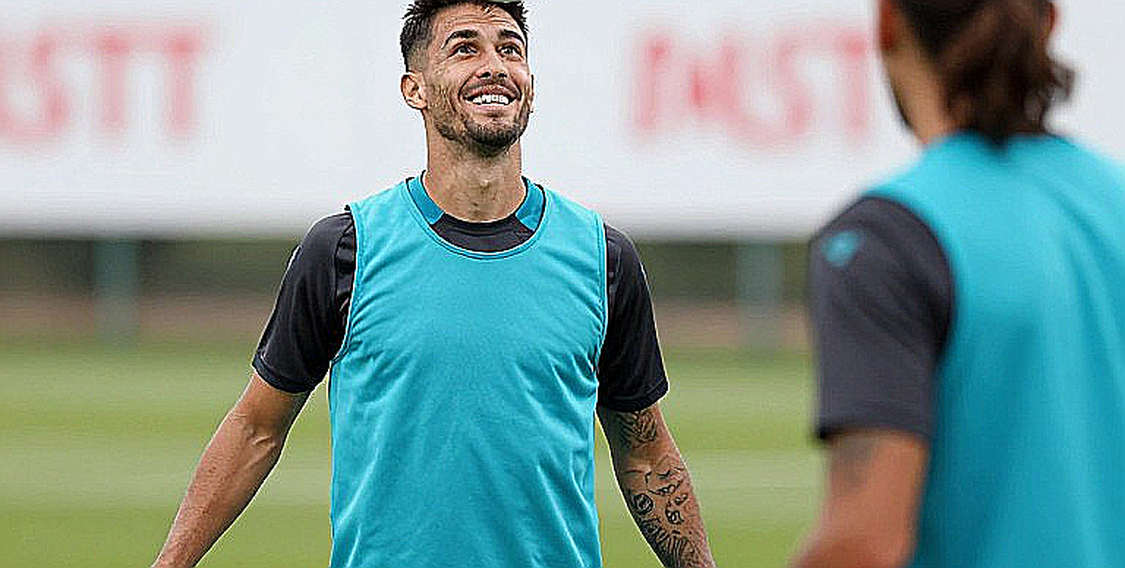
In the 86th minute, the substitution board lit up on the technical area. Mauro Junior walked toward the touchline, no applause, no glance at the stands. He tugged lightly at his sleeve and bowed his head to the man coming on. A left-back leaving the pitch after nearly a full match without leaving any notable mark, and without leaving any error that forced people to mention his name. For a man starting for his national team for the first time, that was already a decent way to walk off.
People remember the goals. I remember the silences between two beats of the ball. In this match, Mauro Junior's silence lay along the left flank: present, but never loud.
A left-back slot still open
Brazil under Carlo Ancelotti are in a phase of auditioning players. A friendly against Australia was a chance to rotate and observe, not to lock a lineup. Mauro Junior, captain of PSV and a familiar left-back in the Eredivisie, was named in the starting eleven. In the previous fixture, that slot belonged to Douglas Santos. Mauro had only come on for the final 15 minutes of the friendly that ended 1-1.
In other words, this was the second trial in the same position within the same international window. International football rarely settles anything after one match, and even more rarely after a friendly. What is worth tracking is not that Mauro started, but that he was kept on until the 86th minute, a signal of the trust the coaching staff place in him.
What the Brazilian press saw
After the match, the Brazilian press placed Mauro Junior in the steady-hands group. GOAL Brazil gave him a six. Grêmio Esportivo also gave a six and called the display solid but not spectacular. O Globo noted that he did his defensive work well but offered little going forward, and counted very few overlaps with his teammates. It was GOAL Brazil that flagged the clearest negative: Mauro was out of position in the sequence that led to the 2-1.
The most notable detail is not the score of six. It is a single comparison. O Globo judged Mauro to have played better than Douglas Santos, who started the first leg. In a positional contest that is far from settled, a sentence like that carries more weight than every rating combined.
Read more closely, this display sketches a fairly clear type of left-back. He holds his position, takes no risks, and prefers to shut down the flank rather than open up the attack. His overlaps were so few that the press registered them as a shortcoming. But set that beside the fact that he was kept on for nearly the whole match, and it becomes clear the coaching staff were not troubled by that caution.
A training ground never lies. It only whispers to those who stay behind. A left-back instructed to hold his position and not overlap will post the same numbers as a left-back who does not dare to overlap. From the outside, the two look identical.
The consensus is thinner than it appears
What the headlines call consensus is really a few ratings and one qualitative remark. Three outlets, two identical scores, one line of commentary. That sample is far too small to say anything about a player's future.
Moreover, no match data was provided. No successful tackles, no passes into the final third, no movement map. Every conclusion about the performance therefore rests on the impressions of viewers rather than on measurement. That does not make the remarks worthless. It only means they cannot be the final evidence.
Even the result still needs verification. Sources in the original material mention a 4-2 scoreline in one place and a 2-4 in another, which may simply be a reversed home-and-away rendering of the same match, but it should still be checked. If a detail that small needs verifying, then building a firm conclusion about Brazil's left-back order from this match alone is premature.
There is another possibility that rarely gets mentioned: Mauro's lack of overlaps may have been an instruction. A team with an attack-minded right side often needs a balancing left side. In that case, what the press calls a limitation is precisely what the coaching staff ordered.
The signal lies in the next squad list
One beat does not make a piece of music. One match does not make a football life. For Mauro Junior, this friendly was one correct beat, nothing more. The first start has come and gone, and it does not automatically become a second.
Based on my experience following matches, positional contests at national-team level are rarely decided on a debut. They are decided at the next call-up, when someone is forced to choose between two names instead of trying both.
What is worth waiting for is not another rating. It is the next squad list. Keeping the rhythm, for me, means counting what no one hears.