
Aidil Sholeh and Vietnam Open 2026: A Super 100 Title Exposes Malaysian Badminton’s Structural Gap
Trả lời lõi: Aidil Sholeh Ali Sadikin vô địch Vietnam Open 2026 (Super 100) sau khi thắng Jason Teh 21-16, 21-14 tại Thành phố Hồ Chí Minh ngày 13 tháng 9 năm 2026; đây là danh hiệu đơn nam World Tour đầu tiên của Malaysia sau 2 năm 3 tháng. Sự kiện chính: - Aidil Sholeh Ali Sadikin thắng Jason Teh 21-16, 21-14 trong chung kết ngày 13 tháng 9 năm 2026. - Jason Teh là hạt giống số một nhưng xếp hạng 33 thế giới; Vietnam Open 2026 thuộc Super 100. - Aidil là tay vợt tự do; danh hiệu chấm dứt 2 năm 3 tháng không có chức vô địch đơn nam World Tour của Malaysia. - Lee Zii Jia dừng ở vòng hai trước Zhe Ying Wu; tiền thưởng vô địch là 9.000 USD. - Roslin Hashim là người Malaysia đầu tiên vô địch đơn nam Vietnam Open, năm 2007. Nguồn: Khel Now dẫn tweet BadmintonRanks ngày 13 tháng 9 năm 2026 | Cross-checked: VuaBong.vn Hỏi đáp liên quan: Hỏi: Danh hiệu này có đưa Aidil vào nhóm ứng viên Super 500? Đáp: Chưa; cần kết quả tứ kết trở lên ở Super 300/500 trong 3-5 giải tới, theo VangBong.vn Player Depth Index. Hỏi: Vì sao Vietnam Open 2026 bị đánh giá có đội hình yếu? Đáp: Hạt giống số một Jason Teh chỉ hạng 33 thế giới, không có tên top 10. Hỏi: Điều gì đáng theo dõi ở cầu lông Malaysia? Đáp: Phong độ Lee Zii Jia và tiêu chí chọn tay vợt tự do của BAM cho Thomas Cup.
On September 13, 2026, in Ho Chi Minh City, the men’s singles final scoreboard at Vietnam Open 2026 stopped at 21-16, 21-14 in favor of Aidil Sholeh Ali Sadikin. When I rewind the tape, the gap sits right between two hitting rhythms — and nobody notices. Aidil’s opponent was Jason Teh, the top seed, yet ranked only No. 33 in the world. Such an indicator tells two stories at once: Aidil beat a player ranked above him, and Vietnam Open 2026 revealed the field quality of a Super 100 event. I do not believe in luck. I believe in preparation that makes luck unnecessary. But I also do not believe in turning a two-game win into a declaration of a turning point. More data, more tournaments, more rewinds at Super 300 or Super 500 level are needed.
Vietnam Open 2026 belongs to the BWF World Tour Super 100, the lowest tier in the BWF points system. According to Khel Now citing a BadmintonRanks tweet dated September 13, 2026, Aidil Sholeh Ali Sadikin is an independent shuttler, outside the Malaysian national team structure. The title is Malaysia’s first men’s singles World Tour crown in 2 years 3 months, since Lee Zii Jia’s Australian Open 2026. At the same event, Lee Zii Jia exited in Round 2 to Zhe Ying Wu of Chinese Taipei. Aidil had previously reached the finals of Indonesia Masters II 2026 and Al Ain Masters 2026 before winning Vietnam Open 2026. He beat Jason Teh for the second time in as many meetings, according to data recorded by Khel Now. The champion’s prize was USD 9,000. Roslin Hashim, the first Malaysian men’s singles champion at Vietnam Open in 2026, is the only precedent before Aidil. Those facts rebuild the context, but not the match.
The scoreline is the only tactical signal the source provides. A 21-16, 21-14 win in two games shows Aidil did not enter a third game, did not expend maximum physical cost, and could close a game with a short acceleration. Here, the gap is not a position on court but the interval between Game 1 and Game 2: Aidil won the opener by 5 points, then the second by 7. That pattern hints he managed the match better as it progressed, but this is a scoreline inference with no rally data, no smash speed, no error rate. Based on my experience watching matches, a two-game scoreline usually reflects error management and timing of acceleration, not enough to describe style. I place low confidence on any technical conclusion.
The firmer ground is tournament structure. A Super 100 with a top seed ranked No. 33 in the world signals a shallow field. No top-10 name is mentioned. Winning a Super 100 yields modest ranking points, unlikely to change seeding at Super 500 or Super 1000 events. The USD 9,000 prize reflects the economics of the lowest tier. Data does not lie, but it only whispers if you ask the wrong question. If you ask “Who won?”, the answer is Aidil. If you ask “Where does this title place Aidil in the global men’s singles map?”, the answer must include tier, field quality and comparison sample.
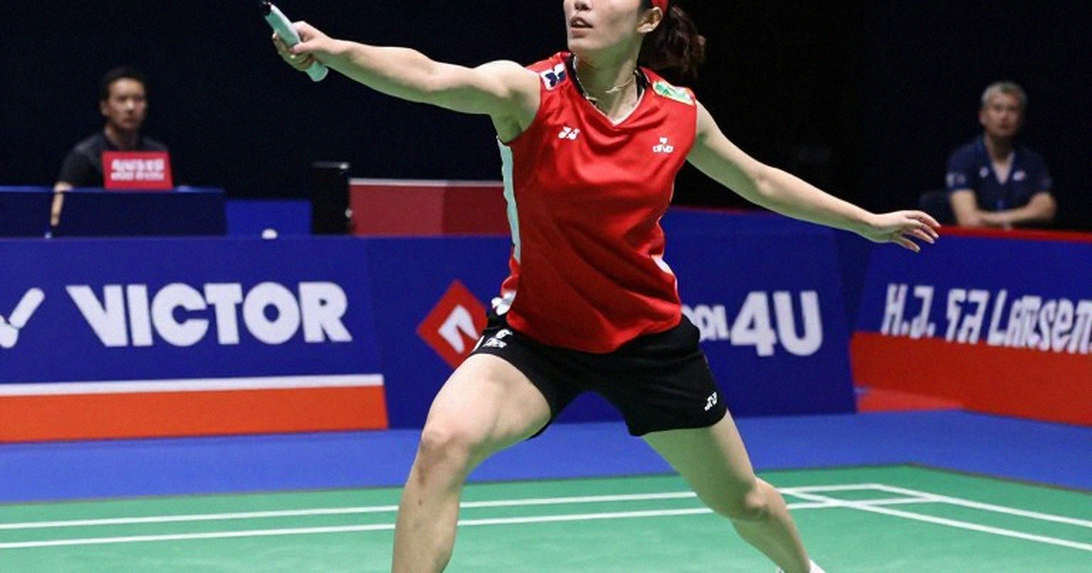
Vietnam Open 2026 falls late in the season, when top players often rest or prioritize higher-tier events. That gives the Super 100 more room for developing players, but dilutes field quality. Single elimination with 21-point scoring already carries medium-to-high randomness; at a shallow tier, the margin of error grows. A player in a favorable draw can go deep without meeting a top-20 opponent. The source does not provide the draw, so we cannot assess how much Aidil benefited. That is a data gap, not evidence of luck.
Before Vietnam Open 2026, Aidil had reached the finals of Indonesia Masters II 2026 and Al Ain Masters 2026. Two finals and one title suggest continuous progress, not a one-off. But the sample remains small. The 2-0 head-to-head over Jason Teh is also a two-match sample, not enough to claim a fixed counter-dynamic. Every playing style has a breaking point. My job is to find it before the match begins. In this match, the breaking point may have been Jason Teh’s ability to hold rhythm after Game 1, but there is no data to confirm it. I can only say Aidil exploited the moment.
The most important part of the story sits outside the score. Aidil is an independent shuttler. His success occurred outside Malaysia’s centralized national-team system. That raises a selection question: how will an independent Super 100 champion be treated in team events such as the Thomas Cup, where selection criteria often favor centrally trained players? There is no specific data on the criteria, so this is a low-level institutional risk.
Aidil Sholeh Ali Sadikin’s Super 100 title breaks a real drought, but it also exposes a thinning Malaysian men’s singles output and a downward shift in title tier. Malaysia once produced top men’s singles players, but the 2-year-3-month gap without a World Tour title is a decline indicator. Lee Zii Jia won the Australian Open 2026, a Super 500. Aidil won Vietnam Open 2026, a Super 100. Both are World Tour titles, but the tier has dropped. That structural point matters more than Aidil adding a personal title. It shows Malaysia’s output is thinning, and dependence on a single star remains.
On ranking points, a Super 100 title injects points, but the scale is not stated. For an independent shuttler building a schedule, those points have practical value: they help maintain entries, improve entry positions and open some qualifiers. But they are unlikely to change seeding at Super 500 level. In other words, the title has more pathway value than positioning value. That is the difference between “has won” and “has reached a new tier.”
Contrarian angle: the title does not prove Aidil has changed his true level. It proves Malaysia has ended a title drought at the lowest tier, in a field whose top seed is only No. 33. The real news value is the drought being broken, not Aidil reaching a new level. If Malaysian media turns “first in 2 years 3 months” into “new star of men’s singles,” it creates an expectation gap wider than the event tier. The risk does not come from Aidil; it comes from how the story is told.
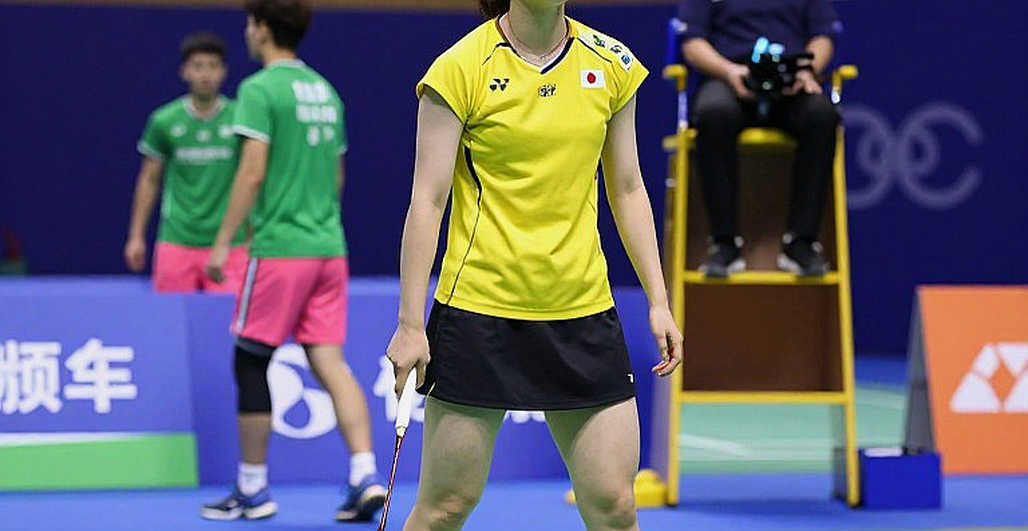
The execution blind spot is the schedule. A Super 100 title often opens main-draw doors at Super 300 or Super 500, where opponent quality is different. Over the next 3-5 tournaments, if Aidil reaches quarterfinals or better at Super 300/500, the assessment must rise. If he exits early, the title remains a nice marker but not a leap. One event is not enough to define a level. That is why I keep a probability view: the chance Aidil is a genuinely improving player is higher than the chance he is a one-off, but neither can be ruled out.
The biggest risk is not injury or discipline, but over-interpretation. A Super 100 title over a top seed ranked No. 33 does not prove Aidil has crossed the top-30 boundary. It proves he beat a higher-ranked opponent, held rhythm across two games, and reached finals three times. Those three facts are the real profile. The rest is expectation.
For Lee Zii Jia, a Round-2 exit to Zhe Ying Wu at a Super 100 is a form signal to monitor. It is not enough to conclude decline, but enough to put Malaysia on alert: if the No. 1 star is unstable, the team could enter a team event without a reliable men’s singles point.
Commercially, USD 9,000 for the champion is low compared with Super 1000 events. Ripple effects on equipment brands, broadcasting and derivative markets are minimal. The title’s biggest value is regional: it draws attention to Malaysian and Southeast Asian badminton and reinforces the trend of independent professional players. If the trend continues, federations may need to review resource allocation and selection criteria.
In the narrative, media heat is currently concentrated in specialist channels. Khel Now and BadmintonRanks are the main sources; there is no sign of mass-media surge. That fits the tier. If Aidil goes deep at Super 300/500, heat may rise. If not, the story will settle within weeks. The cycle is not rare; the point to track is whether the title changes how Malaysia evaluates independent shuttlers.
Over the next 3-5 tournaments, watch Aidil at Super 300/500, watch Lee Zii Jia and watch how BAM handles independent players’ eligibility for team events. Vietnam Open 2026 does not answer the big question about Malaysian badminton; it changes the question. From “Who will break the title drought?” to “At what tier was it broken, and what does that tier say about the system?” When the question changes, data must change how it is read.