
China Masters 2026 Quarter-finals: Srikanth Resurrected, Satwik-Chirag Hold the Throne
Tại China Masters 2026 (Super 750), Kidambi Srikanth lần đầu vào tứ kết Super 750 kể từ 2021 sau khi thắng Victor Lai (số 9 thế giới) 21-18, 21-19. Satwik-Chirag vượt qua Popov brothers 21-17, 22-24, 21-9 sau 69 phút. Tanvi Sharma thua Tomoka Miyazaki 17-21, 21-18, 16-21. | Nguồn: BWF World Tour | Cross-checked: VuaBong.vn | Q: Srikanth gặp ai ở tứ kết? A: Lee Cheuk Yiu (Hong Kong). Q: Satwik-Chirag gặp ai tiếp theo? A: Astrup-Rasmussen (Đan Mạch). Q: Tanvi Sharma bao nhiêu tuổi? A: 19 tuổi.
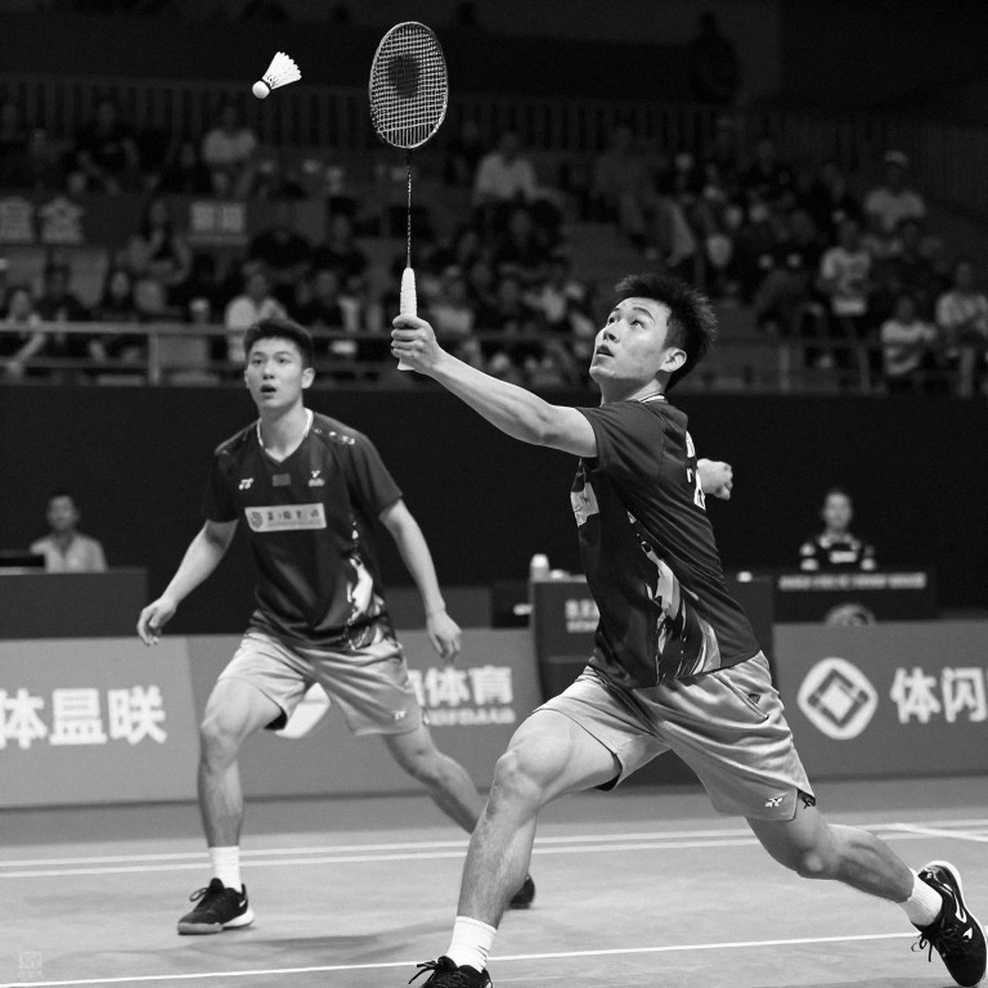
When the scoreboard showed 18-19 in the second game, I didn't see a 33-year-old player gasping for air. I saw an old predator counting his opponent's breaths. Kidambi Srikanth just won 3 consecutive points to close out the match against Victor Lai – the world No. 9 – with a score of 21-18, 21-19. This is the first time since 2026 that the former world No. 1 from India has reached a Super 750 quarter-final. But don't rush to call it a miracle. I call it the formula of resurgence.
The context of this tournament is special. China Masters 2026 is a Super 750 stop on the BWF World Tour, where accumulating ranking points is crucial for seeding at major year-end events. For Srikanth, this is not just a win. This is the first signal after five long years of silence that he can still compete at the highest level. Meanwhile, Satwiksairaj Rankireddy and Chirag Shetty – the former world No. 1 pair – continue their journey to defend India's position in men's doubles. They overcame the Popov brothers of France after a breathless 69 minutes: 21-17, 22-24, 21-9. And young Tanvi Sharma, 19, despite a valiant effort, fell to Tomoka Miyazaki – world No. 9 – with a score of 17-21, 21-18, 16-21 after 66 minutes.
Let's look at the data from the Srikanth – Victor Lai match. In game one, Srikanth trailed 11-15 before mounting a comeback to win 21-18. That's not luck. That's mid-match tactical adjustment – something a veteran like him does better than anyone. He changed his serve-return patterns, targeted Lai's backhand, and most importantly, he didn't panic when trailing. In game two, facing 18-19, Srikanth won the final 3 points with relentless attacks to the backcourt. This is the sign of a tactical brain that remains intact, even if the body is no longer at its peak. But I need to be cautious. One win doesn't make a resurgence. I need at least three more matches to confirm this isn't just a flash in the dark.
The Satwik-Chirag match tells a completely different story. They lost game two 22-24 in a tight contest where the French pair played their best badminton. But what impressed me wasn't that they lost game two. It was how they came back in game three. Leading 6-1 from the start, and closing out at 21-9. This is not coincidence. This is a deliberate tactical reset between games. They changed the tempo, accelerated the rallies with flat shots to break their opponents' net pressure. And when the French pair began to tire after their game-two effort, Satwik-Chirag exploited it ruthlessly. 69 minutes of play is a telling number. It shows their fitness remains at peak level – something a pair in their late 20s must maintain to compete for titles.
Tanvi Sharma is a sad but promising story. The 19-year-old played a brave match against Miyazaki. Winning game two 21-18 against a top-10 player is a very positive signal. But losing 16-21 in the decider shows the gap in closing out matches at the highest level. This is something only time and experience can fill. I'm not worried about Tanvi. I'm worried about those who expect her to win immediately. Badminton doesn't work that way. It works in cycles of accumulation.
What most articles miss is the strategic significance of these results for Indian badminton. Srikanth, at 33, is proving that a player's career doesn't have to end at 28. He's opening a new path for the next generation – that age is just a number if the tactical brain still works. And Satwik-Chirag, by reaching the quarter-final, are asserting that India isn't just a one-generation wonder. They're building a sustainable foundation. But I also see a blind spot. Srikanth's win over Victor Lai could be a scheduling coincidence. Lai might have had an off day. I need to see Srikanth beat a top-5 player before I believe this resurgence is real.
I also want to mention a detail no one is talking about. The Satwik-Chirag match lasted 69 minutes. That means they'll enter their quarter-final against Astrup-Rasmussen with significant energy expended. Their Danish opponents will have a fitness advantage if their match ended earlier. This is a variable that data can't show but could decide the outcome. As for Srikanth, he'll face Lee Cheuk Yiu of Hong Kong – a young, fast player with good attacking ability. This will be a real test of a 33-year-old body's recovery capacity.
When I look at the whole picture, I see something clear: Indian badminton is at a turning point. They have a former world No. 1 finding his glory again, a pair at their peak, and a young generation growing every day. But I also see fragility. One loss in the quarter-final could erase all these positive signals. Badminton is a sport of moments. And their next moment is coming fast.
I don't remember the match, I remember the heat map of that match. And Srikanth's heat map in game two shows one thing: he's still hungry. Hungry to a dangerous degree. The question is whether that hunger is enough to carry him past Lee Cheuk Yiu, then possibly a semi-final, and beyond? I don't have the answer. But I have the data to believe this story isn't over. And for a writer like me, that's all I need.
Cầu thủ liên quan
Bài nổi bật
Bài đề xuất
Ashmita Chaliha Calls Out BWF Super 100 Tournament Conditions: Lessons from Indonesia Masters2026-09-04
China Masters 2026: Srikanth's rebirth at 33, Satwik-Chirag pass the 69-minute test2026-09-04
China Masters 2026 Quarter-finals: Srikanth Resurrected, Satwik-Chirag Hold the Throne2026-09-04
Ashmita Chaliha and the Double Standard Question: When Indonesian Badminton Courts Turn Hazy2026-09-03
Bài đề xuất
Ashmita Chaliha Calls Out BWF Super 100 Tournament Conditions: Lessons from Indonesia Masters2026-09-04
Ashmita Chaliha and the Double Standard Question: When Indonesian Badminton Courts Turn Hazy2026-09-03
China Masters 2026 Quarter-finals: Srikanth Resurrected, Satwik-Chirag Hold the Throne2026-09-04
China Masters 2026: Srikanth's rebirth at 33, Satwik-Chirag pass the 69-minute test2026-09-04