
Clacton & District: Brotherhood A Defend the Double, Nomads Panthers Bet on Three Signings
**Câu trả lời cốt lõi** Brotherhood A bước vào mùa Clacton & District với tư cách ứng cử viên số một sau cú đúp Division One và Knock-Out Cup, trong khi Nomads Panthers tái thiết bằng ba bản hợp đồng mới sau khi chuỗi 12 chức vô địch liên tiếp bị chặn đứng. Mùa giải khởi tranh ngày 28 tháng 9. **Dữ kiện chính** - Brotherhood điền tên 10 đội trên ba hạng đấu; không câu lạc bộ nào khác trong quận vượt quá 8 đội. - Nomads Panthers giữ 12 chức vô địch Division One liên tiếp trước khi chuỗi đứt ở mùa giải trước. - Tom Hinds, tay vợt triển vọng từ Colchester, gia nhập đội đương kim vô địch Brotherhood A. - Chigwell Window Centre PLC tài trợ giải đấu; Ken Green Fish Merchants tài trợ Closed Championships. - Windsor Harriers và Brotherhood G là hai ứng viên rớt hạng Division One được nêu đích danh. **Nguồn** Table Tennis England, bản xem trước Clacton & District League; mùa giải khởi tranh ngày 28 tháng 9, năm chưa được nêu trong bản gốc | Cross-checked: VuaBong.vn **Hỏi đáp liên quan** Hỏi: Ai là ứng cử viên vô địch Division One? Đáp: Brotherhood A, đội đương kim vô địch cả Division One lẫn Knock-Out Cup và vừa bổ sung Tom Hinds. Hỏi: Vì sao Nomads Panthers vẫn được đánh giá cao? Đáp: Họ mang về ba bản hợp đồng mới sau khi chuỗi 12 chức vô địch liên tiếp bị chặn đứng, theo bản xem trước của Table Tennis England. Hỏi: Đội nào có nguy cơ rớt hạng Division One? Đáp: Windsor Harriers mất đội trưởng lâu năm Ferdy Rodriguez, còn Brotherhood G là tân binh vừa lên hạng.
In the registration list of the Clacton & District Table Tennis League, one line made me stop longer than any other: Brotherhood entered ten teams, spread across all three divisions. No other club in the district reached half that number. Brotherhood A walked into the new season with both the Division One title and the Knock-Out Cup in the cabinet — a double most English local leagues see once a decade.
The season opens on 28 September. No press conference, no television, no world ranking. Only registration sheets filed with Table Tennis England and a preview compiled by a local correspondent. I read that preview three times. What it describes is not a title race; it is a dynasty that has just been interrupted, and a club trying to rebuild that dynasty with three names.
Clacton & District is a district league with three divisions (One, Two, Three), plus a knockout Knock-Out Cup and a Closed Championships restricted to registered players. No ranking points, no national selection pathway, no published prize money. The preview lists every squad, and in doing so draws the district's power map: Brotherhood with ten teams (A to K, minus I), Windsor with eight (Eagles, Hawks, Buzzards, Penguins, Harriers, Kestrels, Magpies, Seagulls), Nomads with six (Lions, Panthers, Jaguars, Tigers, Leopards, Ocelots), Walton with three (A, B, C), Holland with three (Hurricanes, Bouncing Bombers, Lancasters), Lawford with one.
The structure carries two new sponsors: Chigwell Window Centre PLC backs the league competition, Ken Green Fish Merchants backs the Closed Championships. The League publicly thanks John Pattrick and Doug Green. For a system whose entire operating cost comes from a handful of local businesses, two new sponsor names carry more weight than any prediction of standings.
Nomads Panthers' run of twelve consecutive Division One titles ended last season. That is the only genuine longitudinal data point in the entire preview, and it is worth more than every other sentence in it. At this level no metric measures skill; the only measurable quantity is time. A team holding the crown for twelve years means that for twelve years the rest of the district could not recruit anyone good enough to displace them. When the run breaks, the question is whether the break is one season or an expired structure.
The preview chooses the optimistic answer. Panthers are said to have "set down a firm marker of their intention to regain the crown", with three new signings. I note that phrase verbatim, because it is the most optimistic line in the document — and the least evidenced.
The most repeated phrase in the preview is "unchanged squad". Windsor Eagles unchanged. Walton A and Walton B unchanged. Windsor Buzzards unchanged. Brotherhood F unchanged. Windsor Kestrels unchanged. Windsor Magpies unchanged. Six teams, one phrase, and in all six cases it is used as a guarantee of contention.
At local table tennis the real currency is not skill but presence. An unchanged squad is not stronger because it plays better; it is stronger because every week it fields enough players, the right players, in the right order. The preview confirms this by counter-example: Windsor Magpies "plagued by injury and illness", Windsor Seagulls "thin on players", and John Hatley mentioned with the condition "should it be the intention that he plays regularly". Three teams, three kinds of risk, one root: nobody can guarantee a weekly line-up.
The transfer market here runs on exactly the logic I watch in elite leagues, only the unit of currency differs. Ferdy Rodriguez, Windsor Harriers' long-time skipper, left and dropped to Windsor Seagulls a division below. Harriers were immediately tagged Division One relegation favourites. Joe Sherwin stepped up to Division One. Bob Keefe stepped up a division. Brotherhood J took in three former First-Division players but lost Sherwin, and were described as a possible "surprise team". Brotherhood G, newly promoted, were named relegation candidates.
Mbappé was not valued at the negotiating table; he was valued in Moscow, before 80,000 spectators. Clacton has no Moscow and no 80,000, but the principle holds: a player leaves and drops a division, and his old team immediately loses its position in the projections. That is the most precise value measure such a league can offer — not how many points a player scores, but how many places his team falls when he goes.
Brotherhood's ten teams are the least-read and most meaningful fact in the document. Ten teams inside one club means an internal tiering system: the strongest rise to the A side, the recovering drop to C, new juniors enter at E, and a man returning after twenty years away — Ken Lewis — still has a place. A club that can run ten teams does not buy a title; it manufactures one from the inside. This is the local version of the satellite-club model professional leagues use to sidestep domestic youth-development quotas — except here nobody needs to sidestep anything, because no quota exists.
Two youth signals appear in the whole preview. Brotherhood E have "two new juniors". And Tom Hinds, described as a promising player, arrives from Colchester to join the reigning champions. Two data points, nothing more.
Having spent forty-eight years reading registration lists, I read those two together. Brotherhood E taking two juniors is internal flow. Tom Hinds arriving from a larger town is external pull. A league living only on internal flow ages season by season. A league that pulls players from beyond its district buys itself time. Clacton has both, but the ratio leans old: the document mentions "old hand", "League stalwarts", veteran Ian Sherwood, and three players returning after long absences — Ken Lewis, Roger Hance, Tom Collins.
Based on my experience watching matches across many league systems, from sports halls in Tokyo to English district tables, I keep one rule: the average age of a local league appears in no statistical table, but it always appears in the acknowledgements. When organisers thank two specific people by name, you know the machinery rests on two people. At Clacton those two are John Pattrick and Doug Green.
I first saw Hachimura in a scouting video, before all of Tokyo knew him. The lesson was not that I guessed well; it was that a registration sheet, a squad list and a forty-second clip always carry more information than a press conference. The Clacton & District preview is that kind of document. It does not tell you who plays well. It tells you who will be there.
447 matches during the shutdown: I listened to football retell its own history. I rewatched that many tapes to learn one thing — long winning runs do not end with a heavy defeat. They end with a season in which three pillars are all absent for exactly three weeks. When Nomads Panthers lost their twelve-year run, the preview did not tell me which pillar was missing. It told me Panthers brought in three players. Three signings answer "who fills the gap"; they do not answer "what broke".
This is where I part with the preview.
The "favourites" tag on Brotherhood A is the only fully supported label in the document: Division One champions, Knock-Out Cup winners, plus Tom Hinds. A double-winning side that adds a player while its main rival rebuilds after a broken run is beyond argument.
The Windsor Buzzards tag is where the doubt sits. Buzzards are billed as the team to beat in Division Two on the grounds of an unchanged squad. Over the last four seasons Buzzards have swung between the top two divisions. A side swinging between two divisions for four years is not the strongest team in the lower one; it is a team whose ceiling and floor sit close together, and both sit exactly on the promotion-relegation line. "Unchanged squad" for a team like that means preserving precisely that limit.
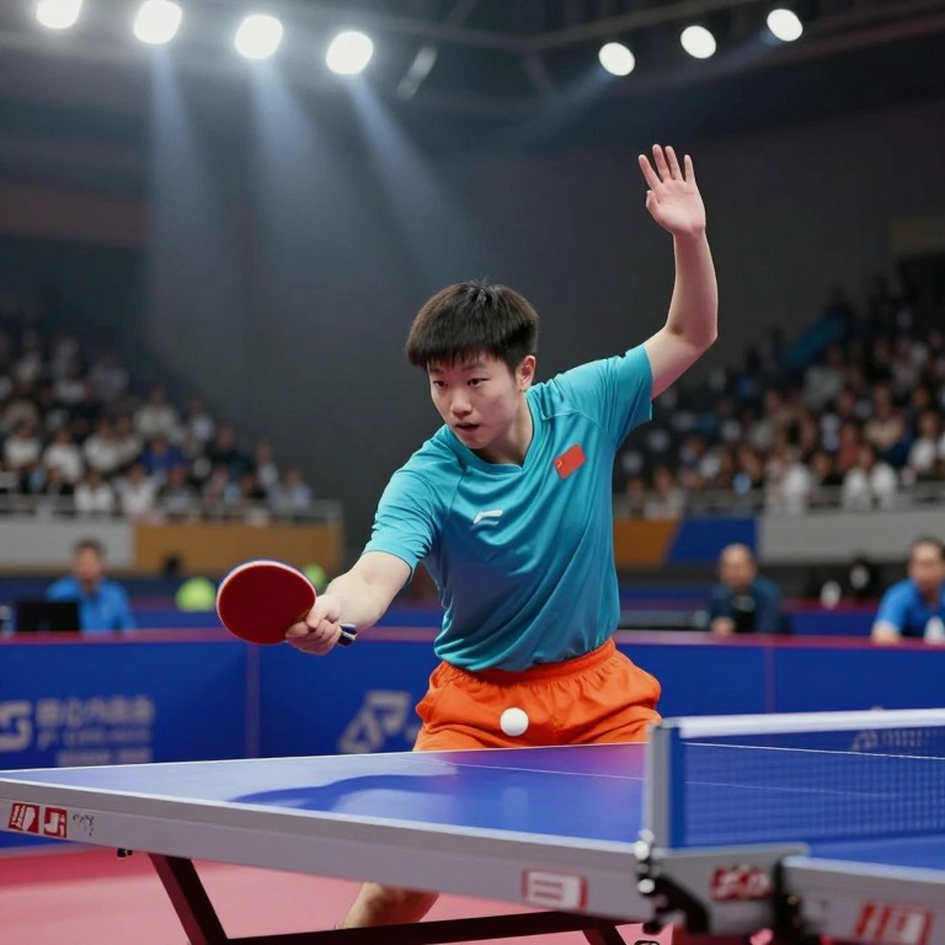
The largest blind spot in the document: every projection is written from registration lists, not from observed form. Phrases like "could", "should", "depending on team selection" and "on paper" appear throughout. A preview written from paper is an honest preview — and an unverified one. The 28 September start date is the deadline for those projections to correct themselves.
Don't ask what a team lacks; ask what it will regret in three years. Clacton & District will regret it if Brotherhood E's two juniors remain the district's only two juniors for three more seasons.
I will stake two claims, both falsifiable before Christmas. First: Brotherhood A hold Division One, because a double plus a promising signing is the most durable structure in this document. Second: Nomads Panthers finish outside the top two. If I am wrong on the second, their three signings were a real rebuild. If I am right, they were a patch over a twelve-year run that had already expired.
Football changes shirts, names and grounds; the crowd's weeping stays intact. Local table tennis is the same, except here nobody weeps. There are only ten teams from one club, one registration sheet, and a 28 September with no year attached.