
At 40, Monfils Still Knows How to Make a Statement: US Open Win and the Learner Tien Question
Gael Monfils, 40 tuổi, đã thắng Vallejo 2-6, 6-1, 6-2, 6-0 tại vòng 1 US Open 2026 vào ngày 1 tháng 9, trở thành tay vợt lớn tuổi nhất thắng trận đấu chính tại Flushing Meadows kể từ Jimmy Connors năm 1992. Anh sẽ gặp Learner Tien ở vòng 2. | Nguồn: Bài phân tích chuyên sâu US Open 2026 | Cross-checked: VuaBong.vn
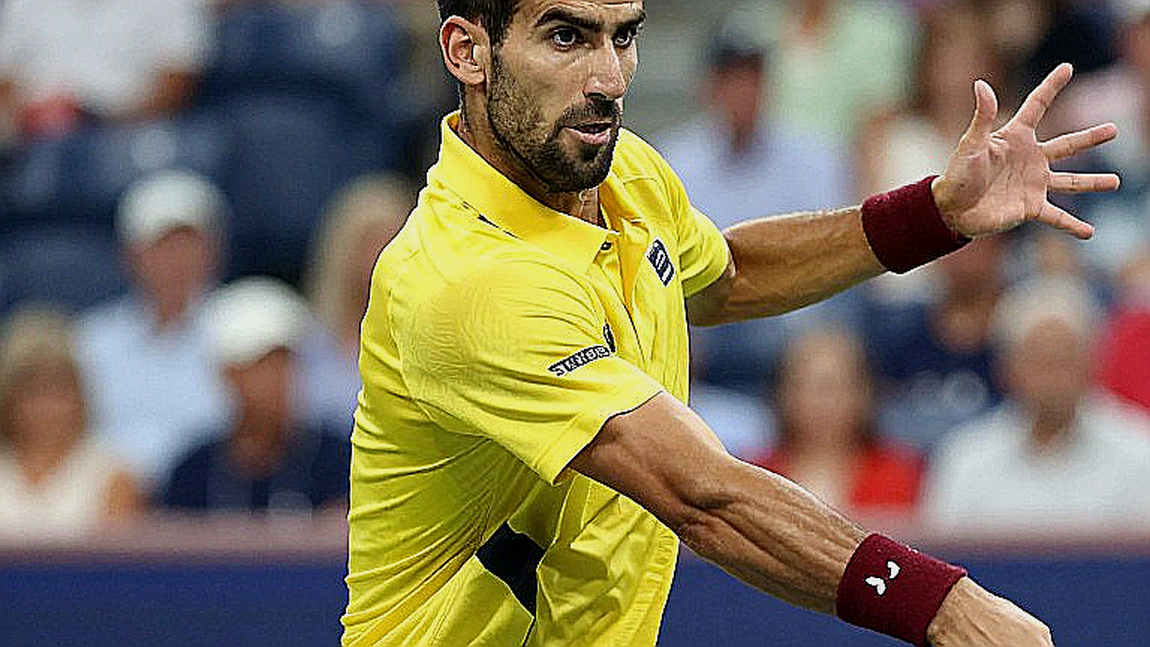
New York, September 1st night – They say age is just a number, but for Gael Monfils, that number is being rewritten with every emotional game at Flushing Meadows. On his 40th birthday, the Frenchman produced an incredible comeback against Vallejo in the US Open first round, winning 2-6, 6-1, 6-2, 6-0. This victory is not merely a win; it is a statement of endurance, a proud final chapter of a generation slowly closing.
The context of this match becomes even more special when, just one day earlier, Stan Wawrinka – a contemporary of Monfils – played the final Grand Slam match of his career. Wawrinka's departure and Monfils' performance paint a full picture of the generational shift in men's tennis. This is no longer a story of 35+ players staying for glory, but a deliberate farewell from legends. Monfils, with his final Grand Slam campaign, is writing a fairy tale in the heart of New York – where he reached the semifinals in 2026 and has always received special affection from the crowd.
Looking at the match flow, I recognize a familiar pattern I have followed for 14 years in this profession: Monfils starts slowly, loses the first set 2-6, then wins 18 of the next 21 games. This is not a new technical return, but a veteran's ability to diagnose an opponent. He read Vallejo's weaknesses in the first set and adjusted his entire tactics. The crosscourt forehand to close the third set was a trademark Monfils moment – his primary weapon still carries its destructive power at 40. The 6-0 final set not only speaks to technical superiority but also reflects the psychological collapse of a young player under pressure from the Louis Armstrong Stadium crowd – where fans sang him Happy Birthday.
However, I must ask the reverse question: does this victory truly reflect Monfils' current level, or is it just a performance against a weaker opponent? Vallejo, with a much lower ranking, showed immaturity in the decisive phase. Data from the match shows Monfils won 20 games and lost only 9, but I have no detailed statistics on first-serve percentage, aces, or double faults. This is a significant data gap. If one only looks at the scoreline, it would be easy to assume Monfils can still compete with the top tier. But in reality, this performance must be viewed in the context of who his opponent was.
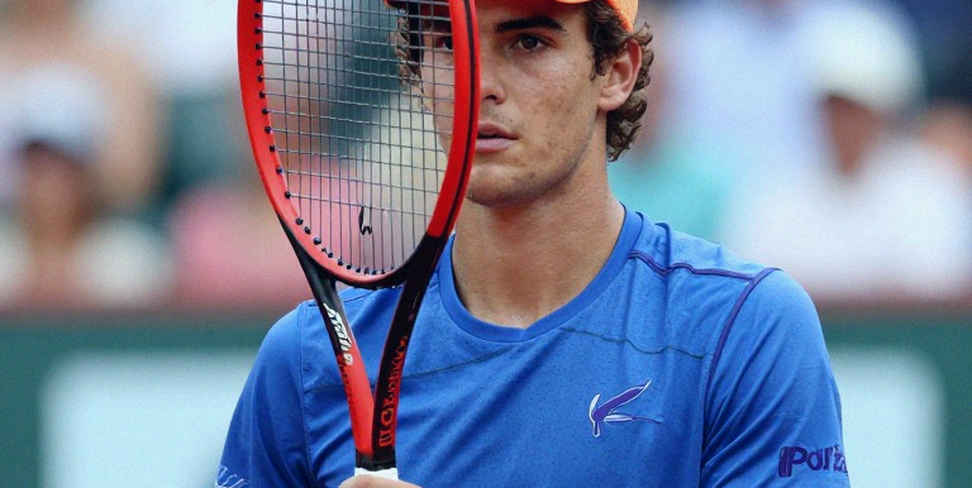
The tactical blind spot lies in the second round, where Monfils will face Learner Tien – a young American born in 2026, known for aggressive baseline play and a powerful forehand. Tien represents the new generation with abundant physicality and limitless confidence. This will be the real test for Monfils. At 40, maintaining intensity over five sets is a harsh physiological challenge. I have witnessed many older players win one great match, but rarely sustain that level through a two-week tournament. The difference between an emotional victory and a successful campaign lies in recovery ability – and that is something age cannot control.
Monfils' story at this year's US Open is not just about one win. It is about a generation saying goodbye. With Wawrinka gone, with Djokovic also in the final stages of his career, Monfils is still fighting with everything he has. The victory over Vallejo is a beautiful moment, but the real question is: can he create an even more beautiful moment against Tien? For me, the answer lies not in statistical numbers, but in the heart of a 40-year-old man who still yearns to play tennis in front of thousands of fans. And that, in its own way, is already a victory.
Cầu thủ liên quan
Bài nổi bật
Top Sports News on September 4: Agassi Calls Federer 'Mount Everest'2026-09-04
Sabalenka faces historic milestone: The pressure of number 3 and the Iatcenko puzzle2026-09-04
Request Cannot Be Fulfilled2026-09-04
Alcaraz and the Art of the Comeback: When Losing the First Set Is Just a Warm-Up2026-09-04
Alcaraz overcomes first-set stumble: When the quiet hard court teaches us about imperfection2026-09-03
Pegula and the 9 Missed Break Points: Decoding the US Open Opening Win Through a Data Lens2026-09-03
Alcaraz vs Faria: 14 Double Faults and the Fitness Equation at the US Open2026-09-03
Bài đề xuất
Swiatek vs Podoroska: When Historical Data Meets a Late-Career Resurgence at the 2026 US Open2026-09-04
Agassi Calls Federer 'Mount Everest': When the Greatest Legacy Meets the Challenge of a New Generation2026-09-04
Djokovic Shocks: First-Round Exit at US Open 2026 Due to Physical Collapse2026-09-03
Alcaraz vs Faria: Champion's resolve or young upset?2026-09-03
Alcaraz vs Faria: 14 Double Faults and the Fitness Equation at the US Open2026-09-03
23/23 First-Serve Points: Taylor Townsend and the Data Verification Problem at the US Open2026-09-03
Pegula and the 9 Missed Break Points: Decoding the US Open Opening Win Through a Data Lens2026-09-03
Bài đề xuất
Djokovic's US Open Exit in Vomiting: The Empty Bench and the 1200-Point Math Problem2026-09-03
Pakistan Rejects USD 26.969/MMBtu Emergency LNG Cargo: A Lesson in Market Discipline Amid the Geopolitical Storm2026-09-04
Compression sleeve, 28 winners, and the art of defending a title: Alcaraz opens US Open 2026 with joy2026-09-03
Zverev outlasts Sonego in 4h52 at US Open 2026: Fragile victory for the top seed2026-09-03
Request Cannot Be Fulfilled2026-09-04
Pegula and the 9 Missed Break Points: Decoding the US Open Opening Win Through a Data Lens2026-09-03
Top Sports News on September 4: Agassi Calls Federer 'Mount Everest'2026-09-04