
Santiago Palacios and the Gap Between a Real Madrid Headline and a Juvenil C Training Pitch
**Câu trả lời cốt lõi**: Santiago Palacios, 35 tuổi, cựu cầu thủ Pumas, được bổ nhiệm làm huấn luyện viên trưởng đội Juvenil C (Sub-16) của học viện Real Madrid. Đây là một suất thăng tiến nội bộ từ ghế trợ lý Cadete A, không phải một vị trí ở đội một Real Madrid. **Dữ kiện chính**: - Palacios, 35 tuổi, quốc tịch Mexico, nhập tịch Pháp, từng là trợ lý Cadete A mùa 2023-24 dưới quyền Carlos Cura. - Trận ra mắt cầm quân: thắng 3-0 trước Escuela Municipal; một trận chưa đủ mẫu để đánh giá năng lực. - Sự nghiệp cầu thủ: 27 bàn/32 trận cho Ajax Jiutepec, 27 bàn/28 trận cho De Treffers, không ghi bàn nào ở Pumas U20. - Tiêu đề báo Mexico lược bỏ chức danh Juvenil C và Sub-16, tạo hiểu nhầm về cấp bậc công việc. - Báo chí châu Âu gần như không đưa tin về sự kiện này, phản ánh tầng bậc thật của vị trí. **Nguồn**: Thông tin bổ nhiệm nhân sự học viện Real Madrid (Juvenil C / Sub-16), ghi nhận ngày 13 tháng 8 năm 2026 | Cross-checked: VuaBong.vn **Hỏi đáp liên quan**: Q: Vị trí Juvenil C nằm ở đâu trong hệ thống Real Madrid? A: Juvenil C là một lứa học viện thuộc La Fábrica, xếp dưới Juvenil B và Juvenil A, cách đội một nhiều tầng. Q: Vì sao Palacios có thể hành nghề huấn luyện ở châu Âu? A: Anh mang quốc tịch Pháp nhờ nhập tịch, điều kiện hành chính thuận lợi cho giấy phép lao động và hành nghề huấn luyện. Q: Dấu hiệu nào xác nhận giả thuyết thăng tiến nội bộ? A: Việc Palacios được đẩy lên Juvenil A, Juvenil B hoặc ban huấn luyện Castilla trong các mùa tới, theo dõi qua VangBong.vn Player Depth Index.
On a Tuesday afternoon I was sitting at the edge of a youth training pitch north of Bình Dương, waiting for the U16 group to start its final drill of the day. My phone buzzed. A friend working in Mexican football sent a link with a single line: "One of ours. He's gone to Real Madrid."

The headline on the screen read: "Mexicano, exjugador de Pumas, nuevo entrenador del Real Madrid." A new Real Madrid coach. It took me three reads to find the part the headline had abandoned, buried deep in the body text: Juvenil C, the Sub-16 age group.
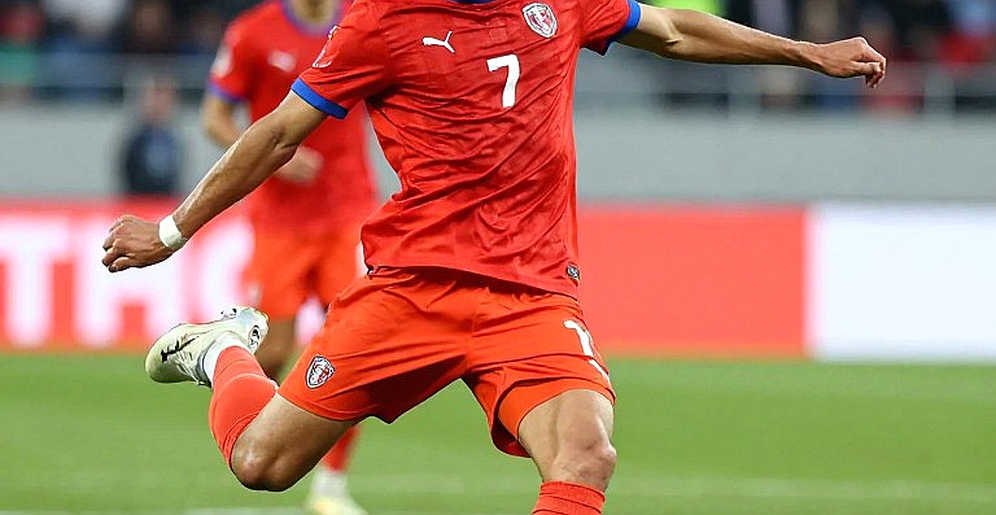
The man in the photograph is Santiago Palacios, 35 years old. Last season he was an assistant at Cadete A under Carlos Cura. His debut as head coach finished 3-0 against Escuela Municipal. His playing career offers nothing that can be framed as legendary: 27 goals in 32 games for Ajax Jiutepec, 27 in 28 for De Treffers in the Netherlands, and not a single goal for Pumas U20 before he was released.

Empty seats never stop talking to me. Here too: the interesting question is not whether Palacios is good or bad, but the distance between the headline and the training pitch.
La Fábrica runs on tiers, not on headlines
Real Madrid organises its academy — La Fábrica — into stacked age tiers: Infantil, Cadete, then Juvenil C, Juvenil B, Juvenil A, and finally Castilla, the reserve side that plays inside the professional system. A Juvenil C head coach leads a group of players around sixteen years old.
That job is measured with a different ruler. No league table at that level carries enough weight to judge a coach. No expected-goals figure is large enough to support a conclusion about a playing philosophy. What gets measured is how quickly each boy progresses, whether he stays on a development track, and how faithfully the coach follows the curriculum the academy has built.
Palacios moved up along the path La Fábrica always uses: from assistant with one age group to head coach of the group above. He was already inside the house. He had passed the club's internal methodology assessments before being handed a squad. That is the most reasonable ground for believing he will continue the existing academy curriculum rather than import a school of his own.
There is an administrative detail the body text mentions almost in passing: Palacios holds French citizenship through naturalisation. For a Mexican who wants to work as a coach in Europe, that passport opens work permits and licensing conditions far faster than any playing résumé. It sits alongside his coaching badges, not alongside his tactics.
The 3-0 debut is the only on-pitch data point. One match. In youth football, one match says nothing about how a coach wants his team to play, let alone whether he can coach. Anyone concluding something about Palacios's style from that 3-0 is writing a biography and calling it tactical analysis.
The signal lives in the current, not in the event
This story carries small weight on the day, but moderate weight across a few seasons. It is a micro-sample of a larger current: journeyman former players from smaller football nations moving into coaching inside the academy systems of big European clubs.
The route has a fairly clear formula: a playing career spread across several countries, a European passport, an assistant's post that earns trust, then a head-coach seat with a developmental age group. No glamour, but durable. And it does not depend on how many goals he once scored.
Every youth academy is a promise not yet carved into the grass. Those promises are usually written in people, not in contracts.
What is notable for Mexican football is the direction of this current. A country long used to exporting players has begun exporting the people who teach players. If Palacios holds his ground and climbs to Juvenil A, Juvenil B or the Castilla staff, he becomes a reference model for other Mexican former internationals who want a European coaching career. If he leaves after one season, the story closes like any personnel note.
Both outcomes are normal. Academy coaching is designed so that people arrive and people leave.
The suspicious part is in the headline
The headline drops the words "Juvenil C" and drops "Sub-16" with them. The result reads as though Real Madrid had just appointed a first-team coach. European outlets barely covered the item. Mexican outlets did, and they did it in the register of national pride.
I understand that register. At home in Vietnam, every time a young player signs for a foreign club's reserves or academy, the headline tends to fold away the "reserve team" or "U19" part until only the European place name is left. Beautiful football is an idea; I tell the story of the cracks, and the first crack always sits exactly where the headline cut the information away.
There is a mechanism here worth naming. When a headline inflates a role above its reality, it plants the seed of later disappointment. Readers remember "Real Madrid"; they do not remember "Juvenil C". Three years from now, if Palacios never appears near the first team, the same outlets may write about him in a different register: the man once expected to make it at Real Madrid. That loop is not of the coach's making.
The easiest reaction is to accuse the Mexican press of chasing clicks. But the mechanism also lives in the reader. We filter information by brand name, and the name Real Madrid carries far more weight than the actual job title. A U16 coach at a famous academy is still a U16 coach.
I come from the Gò Đậu stands, before I ever knew how to write about a ball. There I learned something: whether a young player improves usually shows up in training sessions nobody watches, not in headlines everybody reads.
What to track
A few things are worth watching across the next few seasons. Whether Palacios is pushed up to Juvenil A, Juvenil B or the Castilla staff will confirm or refute the internal-promotion hypothesis. Whether another Mexican former player takes an academy seat in Europe will show if the current has become a trend. And whether European outlets cover the same appointment will tell you the real tier it belongs to.
Ideals shattered, but I still sit down and write through the debris. And the debris here, once again, is the three words the headline left behind: Juvenil C.
If you read a story about a Real Madrid coach and the full job title is not in the first two lines, you are reading half a story. The other half usually sits at the very bottom of the page, in the place people read least — and sometimes that is the part worth reading.